Getting Started with Your Team
Adding team members allows you to distribute workload, manage individual staff schedules and availability, and assign specific services. This is essential for scaling your business and enabling clients to book with the right professional.
- Creating a new team member
-
Click on Settings on the task pane
-
Select the Team option
-
Click the Add Team Member at the top right screen
-
Enter Basic Information into fields
-
Click Continue to assign role
-
Click Continue to add clinical information
-
Click Continue to review details
-
Click Send Invitation to invite the New Team member
-
Getting Started with Billing
- Set Up your Stripe Account
- Set Up your Billing Settings
- Set Up your Invoice Settings
- Request Payment / Send a New Invoice
-
Why is giving team member permissions important?
Proper permissions (or roles) are essential for security and efficiency. Assigning a specific role ensures your team members can only access the features and data they need to perform their job (e.g., 'Manager' vs. 'Scheduler'), protecting sensitive business information and providing a clear, focused interface for each user.
Roles in your practice
-
Clinician serves as healthcare professionals who are primarily responsible for providing direct, hands-on care to patients in a clinical setting.
Roles
- Assessment and Diagnosis:
- Conducting comprehensive patient assessments, including taking medical histories, physical exams, and ordering/interpreting diagnostic tests (labs, imaging, etc.).
- Identifying and diagnosing medical or mental health conditions.
- Treatment and Management:
- Developing and implementing individualized treatment plans.
- Prescribing medications and other therapies.
- Performing medical procedures or administering treatments.
- Monitoring the patient's condition and adjusting the treatment plan as needed.
- Patient Education and Counseling:
- Educating patients and their families about their health condition, treatment, and preventive care (e.g., diet, exercise, vaccination).
- Providing emotional support, counseling, and encouragement to help patients cope with illness and improve their quality of life.
- Coordination and Collaboration:
- Working closely and collaboratively with other healthcare professionals (doctors, nurses, specialists, social workers, etc.) to ensure comprehensive and integrated care.
- Making referrals for other services or community resources.
- Documentation and Professionalism:
- Maintaining accurate, detailed, and timely patient records (clinical documentation).
- Adhering to ethical, legal, and regulatory standards in practice.
- Engaging in continuing education to keep knowledge and skills up to date.
In essence, a clinician is the primary person responsible for managing an individual's care, with a focus on promoting wellness, preventing disease, reducing suffering, and helping the patient live the best possible quality of life.
- Assessment and Diagnosis:
-
The Practice Manager is the central administrative of your practice. They act as the CEO of the business side of the practice, ensuring smooth, efficient, and compliant operations so that clinicians and practitioners can focus exclusively on patient/client care.
Roles
1. Operations Management
This involves overseeing the day-to-day running of the practice to maximize efficiency and patient flow.
- Workflow and Efficiency: Streamlining processes like patient scheduling, check-in/check-out, and records management to reduce wait times and improve the patient experience.
- Facility Management: Ensuring the physical premises, equipment, and supplies are maintained, functional, and safe (e.g., ordering medical supplies, managing equipment maintenance, and overseeing cleaning services).
- Information Technology (IT): Overseeing the use and maintenance of electronic health records (EHR) systems, practice management software, and other clinical technology.
2. Financial Management
The Practice Manager is crucial for the financial health of the organization.
- Budgeting: Developing, monitoring, and managing the practice's budget, controlling expenditures, and identifying ways to reduce overhead costs.
- Revenue Cycle Management: Overseeing all financial transactions, including medical billing, coding, claims processing, and accounts receivable to ensure timely and accurate payments.
- Reporting: Preparing and analyzing financial reports to inform strategic decision-making for the practice owners or partners.
3. Human Resources (HR)
They manage the non-clinical staff and often have oversight of all practice personnel.
- Staffing: Handling the recruitment, hiring, and onboarding of non-clinical staff (and sometimes clinical support staff).
- Staff Management: Supervising, motivating, and managing staff performance, including conducting appraisals, organizing training, and creating work schedules/rostering.
- Employee Relations: Addressing staff grievances, resolving disputes, and fostering a positive, productive work environment.
4. Regulatory Compliance and Risk Management
Ensuring the practice operates within all legal and ethical guidelines is a primary responsibility.
- Compliance: Ensuring adherence to all relevant healthcare laws, regulations, and standards (e.g., patient privacy laws like HIPAA and Security Standard Council PCI).
- Policy and Procedures: Developing, reviewing, and implementing practice policies and procedures across all operational areas.
- Risk Management: Identifying and mitigating potential risks, including managing insurance, maintaining disaster recovery plans, and overseeing health and safety protocols.
5. Patient and Public Relations
They serve as a key point of contact and play a role in maintaining a good reputation.
- Patient Experience: Overseeing patient relations, including handling inquiries, compliments, and complaints effectively.
- Marketing/Strategy: Contributing to the practice's long-term strategic planning, marketing efforts, and community outreach to help the practice grow.
In short, the Practice Manager is the central administrative leader who supports the clinical team by managing the business side of the practice, allowing healthcare providers to focus on delivering high-quality patient care.
-
The Scheduler is the central organizer of time, resources, and personnel within an organization. Their primary function is to create, maintain, and adjust schedules to ensure that all operations, projects, or appointments run as efficiently and smoothly as possible.
Roles
1. Patient Appointment Management
This is the core function, focusing on the patient's journey to receive care.
- Scheduling and Booking: Accurately scheduling, rescheduling, and canceling patient appointments (for consultations, procedures, tests, and follow-ups) according to provider calendars, patient needs, and facility resources.
- Patient Communication: Serving as a primary point of contact to confirm appointments, send automated or manual reminders, and provide patients with necessary instructions (e.g., preparation for a procedure, office location).
- Triaging/Prioritization: Assessing the reason for a visit to determine the correct appointment length, the appropriate provider, and the urgency, ensuring time is allocated effectively.
- Managing Patient Flow: Working to reduce patient wait times, fill gaps created by cancellations, and handle urgent or walk-in appointments without derailing the main schedule.
2. Administrative and Data Management
Schedulers handle critical patient information and documentation.
- Information Collection: Collecting and verifying essential patient data, including demographic information, contact details, and the reason for the visit.
- Insurance Verification: Collecting, verifying, and updating insurance information to ensure coverage is confirmed before the appointment, which is critical for billing accuracy.
- Record Keeping: Accurately logging all scheduling activity, cancellations, and patient updates into the practice's scheduling software or Electronic Health Records (EHR) system.
- Referral Coordination: Scheduling appointments that require a referral by confirming the specialist network, forwarding necessary records, and arranging the consultation.
3. Staff and Resource Coordination
In some settings, the role also extends to managing the internal schedules of the healthcare staff.
- Provider Calendar Management: Balancing the complex schedules of multiple healthcare providers (doctors, nurses, technicians), reserving time for non-patient activities like meetings or procedures, and preventing scheduling conflicts.
- Staff Scheduling (in some facilities): Creating and maintaining the shift schedules or rotas for nursing and other support staff to ensure adequate coverage and adherence to labor laws and staffing guidelines.
- Facilitating Workflow: Coordinating with other departments (like billing, medical assistants, or diagnostics) to ensure a seamless flow of information and resources based on the daily schedule.
In essence, the Scheduler acts as the operational hub of the healthcare setting, directly impacting patient access to care, provider productivity, and overall administrative efficiency.
-
A Billing Specialist is the administrator responsible for the financial health of the practice by ensuring that healthcare providers are accurately and timely reimbursed for the services they deliver.
Role
- Claim Submission:
- Translating Services: Working with medical codes (like ICD-10 for diagnoses and CPT for procedures) to translate a patient's medical records and services into a financial claim.
- Generating and Submitting Claims: Preparing invoices and electronic or paper claims and submitting them to insurance companies (payers) or government agencies (like Medicare/Medicaid) for reimbursement.
- Verification: Reviewing patient information, insurance coverage, and codes for accuracy and completeness before submission to minimize denials.
- Follow-Up and Resolution:
- Tracking Claims: Monitoring the status of submitted claims to ensure timely processing.
- Managing Denials and Appeals: Investigating claims that are denied or partially paid to determine the cause (e.g., incorrect codes, missing authorization). They then correct errors, resubmit the claim, or file an appeal.
- Processing Payments: Receiving, recording, and posting payments from both insurance companies and patients to the correct accounts.
- Patient Billing and Communication:
- Invoicing Patients: Creating and sending statements or invoices to patients for their remaining financial responsibility (deductibles, co-pays, and services not covered by insurance).
- Handling Inquiries: Communicating with patients to answer questions about their bills, insurance coverage, or payment amounts, and setting up payment plans when necessary.
- Compliance and Record Keeping:
- Ensuring Compliance: Staying up-to-date with ever-changing regulations, coding standards, and insurance-specific rules (like HIPAA) to ensure all billing practices are legal and compliant.
- Maintaining Records: Keeping accurate and confidential billing and patient financial records.
In smaller practices, one person often handles both the medical coding (translating services into codes) and the medical billing (using those codes to submit and follow up on claims). In larger organizations, these roles may be separate.
- Claim Submission:
-
A Supervisor is responsible for the daily execution of tasks, ensuring operational efficiency, quality control, and clinicians performance in the practice. Role
1. Operations and Quality Management
- Oversee Daily Operations: Managing the flow of work, coordinating services across teams, and ensuring resources (equipment, supplies) are available and utilized efficiently.
- Quality Assurance (QA): Monitoring the quality of patient care and services delivered. This includes implementing clinical protocols, reviewing patient outcomes, and enforcing best practices to maintain high standards.
- Compliance and Safety: Ensuring the department or facility adheres to all relevant healthcare laws, regulations, policies, and safety standards (e.g., patient privacy laws like HIPAA, infection control protocols).
2. Staff Leadership and Human Resources
- Staff Supervision and Scheduling: Assigning duties, creating work schedules, managing shift coverage, and ensuring adequate staffing levels for continuous patient care.
- Performance Management: Conducting performance evaluations, providing regular and constructive feedback, and coaching staff for continuous professional development and improvement.
- Training and Mentorship: Orienting new employees, providing ongoing training, and acting as a mentor to less experienced staff.
- Conflict Resolution: Addressing and mediating conflicts, disputes, or operational issues that arise among staff or between staff and patients/families.
3. Communication and Administration
- Liaison Function: Acting as the primary communication link. They report departmental updates, concerns, and performance metrics to higher management while relaying organizational goals, policies, and directives to the frontline team.
- Policy Implementation: Interpreting and monitoring compliance with agency goals, policies, and procedures.
- Data and Documentation: Overseeing the management and accuracy of essential records, such as patient records (Electronic Health Records - EHR) and operational data.
4. Financial and Resource Management
- Budgetary Oversight: Participating in departmental budgeting and financial planning, monitoring expenditures, and making strategic decisions about resource allocation.
- Resource Allocation: Ensuring that necessary resources, including equipment, medications, and technology, are available for effective service delivery.
In essence, a healthcare supervisor balances clinical expertise (or understanding of clinical processes) with managerial skills to optimize the performance of their team and the quality of patient care within their area of responsibility.
-
Granting Permissions for Team member
- Click on Settings on the task pane
- Select the Team option
- Choose the Team Member you want to grant permission
- Click Show Permissions at the bottom of your screen
- Scroll down and then select the permission you want to grant
Why is assigning services and availability to team members important?
Customers can only book a service if a team member is available to perform it. Explicitly linking services and setting hours for each team member ensures accurate scheduling, prevents them from being booked for services they don't provide, and guarantees they are only scheduled during the hours they specify.
- Creating Services and Availability for Team member
- Click on Settings on the task pane
- Select the Team option
- Choose the Team Member you want to create services and availability
- Click Edit to add services to the provided fields
- Click Save to update services and availability of team member

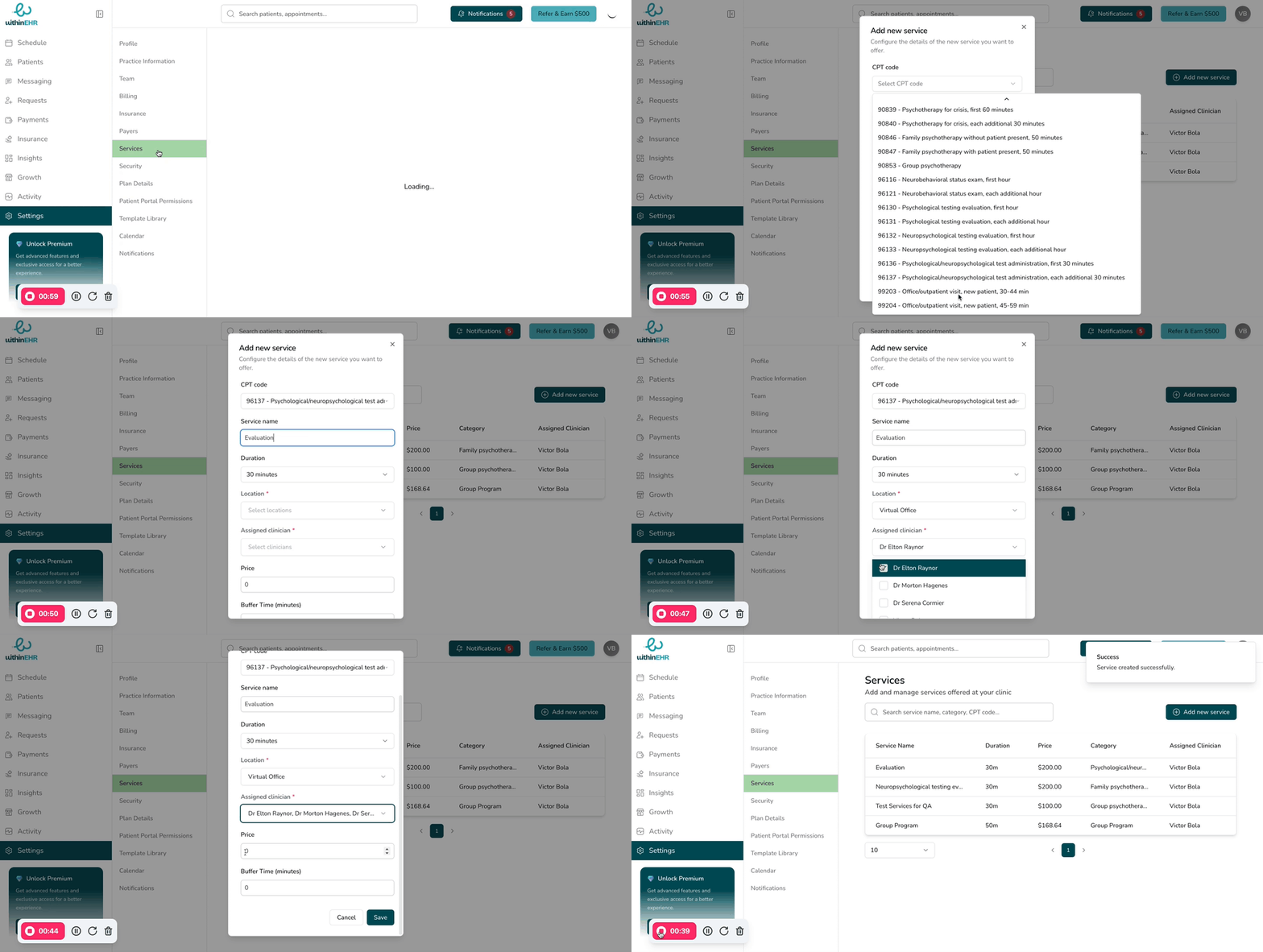
The Value of Defining Your Service
it is a clinical promise. For WithinLabs, defining your service clearly is the bridge between a patient’s vulnerability and their recovery. When healthcare services are vague, it leads to patient anxiety, clinician burnout, and regulatory risk.
1. Establishing Patient Trust and Safety
Patients often come to healthcare providers in a state of uncertainty. A well-defined service acts as a roadmap for their care journey.
- Managing Expectations: Clear definitions prevent "scope creep" in care, ensuring patients know exactly what a treatment entails and what the realistic outcomes are.
- Informed Consent: You cannot have true informed consent if the boundaries of the service are blurry. Clarity ensures patients understand the risks and benefits specific to WithinLabs' offerings.
2. Ensuring Clinical Consistency
In a lab or clinical setting, variability is the enemy of quality.
- Standardization: Defining your service allows you to create Standard Operating Procedures (SOPs). This ensures that whether a patient is seen on Monday or Friday, the quality of care remains identical.
- Reducing Medical Errors: When every team member understands the specific limits and steps of a service, the likelihood of "shades of gray" leading to mistakes is significantly reduced.
3. Regulatory and Compliance Integrity
Healthcare is one of the most regulated industries in the world.
- Audit Readiness: Whether it's HIPAA, CLIA, or local health authority standards, documentation that clearly defines your service scope provides a "paper trail" of intent and methodology.
- Billing Accuracy: Precise service definitions are the foundation of medical coding. This ensures that WithinLabs is reimbursed accurately and avoids the legal pitfalls of overbilling or "unbundling."
STEPS
Set up your services
You can add one or more services
- Select Start Add services
- Choose Service - Duration - Date
- Click Save services